
In this blog post, Mårten Sjö, a data scientist consultant at Softronic, explains what AutoML is and how it works to deliver the best results.
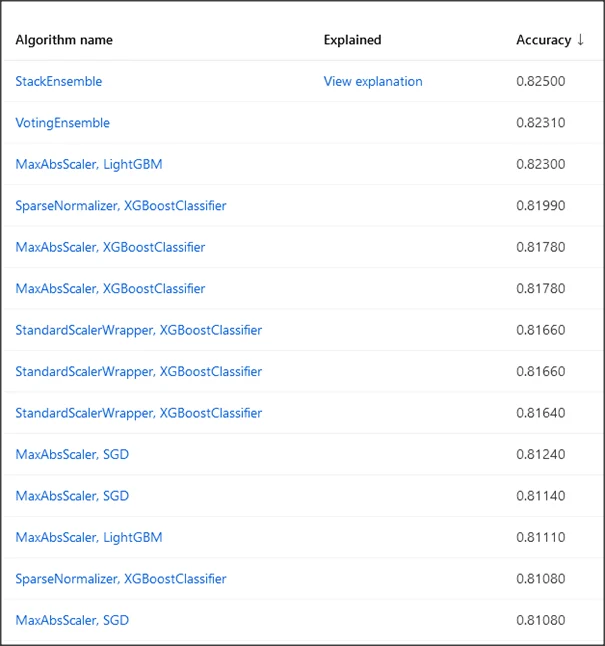
What is AutoML? Well, it’s a method for finding the best machine learning model along with the best settings to ensure the model is as accurate as possible. AutoML selects the algorithm that performs best on the data used to train the model.
AutoML first reviews all the algorithms to see which one works best. It then tests different settings for the algorithm. In machine learning terms, these are called hyperparameters.
Automated Machine Learning works with a variety of machine learning techniques, such as:
- Classification – Is there a cat in the picture? Or is this spam or not?
- Regression – How much does this 60-square-meter apartment in Solna cost?
- Time Series Forecasting – How much do we expect to sell during the Christmas holidays compared to last year?
AutoML is designed to deliver better results and accelerate the journey from idea to production. The solution is also intended to make machine learning accessible to people without a data scientist background, which will allow ML/AI to be offered to more individuals and companies than a few years ago. This is referred to as democratizing AI. For an experienced data scientist, fine-tuning the right AI technology used to take several months to find the best algorithm and its settings. Now, this can be figured out using Automated Machine Learning (AutoML) in just a couple of hours.
By letting different models “compete” to see which one achieves the best score, you can then put the best one into production.
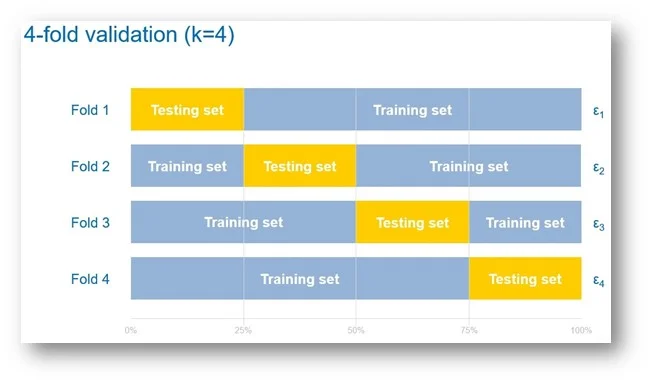
Cleaning the data and using the right data before training is a major part of preparing for machine learning training. As much as 80% of the total project time can therefore be spent selecting which data to use and then cleaning all of it. Furthermore, this data may contain missing values or errors.
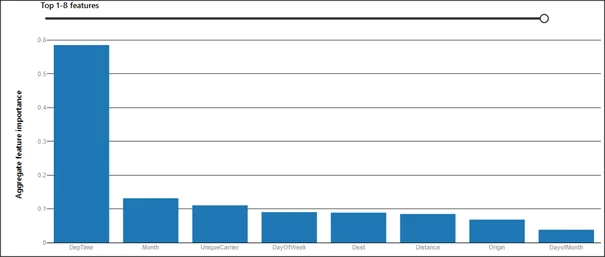
What AutoML can help us with is identifying which parts of the data included in the training are relevant for reaching an accurate decision based on the overall calculation, and then making as accurate an assessment as possible. For example, is “Age” more important than “Location” among the data we include? This is called Explainable AI and allows us to see which data we should focus on and ultimately include. This enables us to exclude data that offers no benefit and takes time to gather.
By using, for example, Microsoft’s AI solution Azure ML, it is possible to implement a robust ML solution in a significantly shorter amount of time, where state-of-the-art software such as AutoML is available in combination with powerful graphics cards for training neural networks. As a result, the initial setup—in terms of both time and investment—is significantly lower than what was possible just a few years ago. This opens the door for more small and medium-sized companies to gain access to machine learning and AI for their operations.
If you have questions about how ML/AI can be applied specifically to your company, please feel free to contact us to learn how AI and machine learning could potentially help you become more profitable, reduce costs, or improve your products and services.
Blog post written by: Mårten Sjö for Softronic AB
Contact
If you have any questions or would like to learn more about how Microsoft products can support you, please contact us.