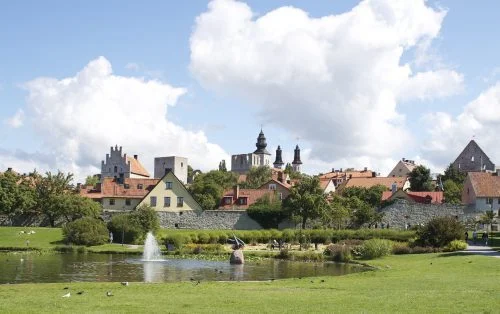
Last week, we spent a few days in Almedalen. Representing Softronic were COO Mathias Kjellberg and Sandra Madstedt, Business Manager for CM1.
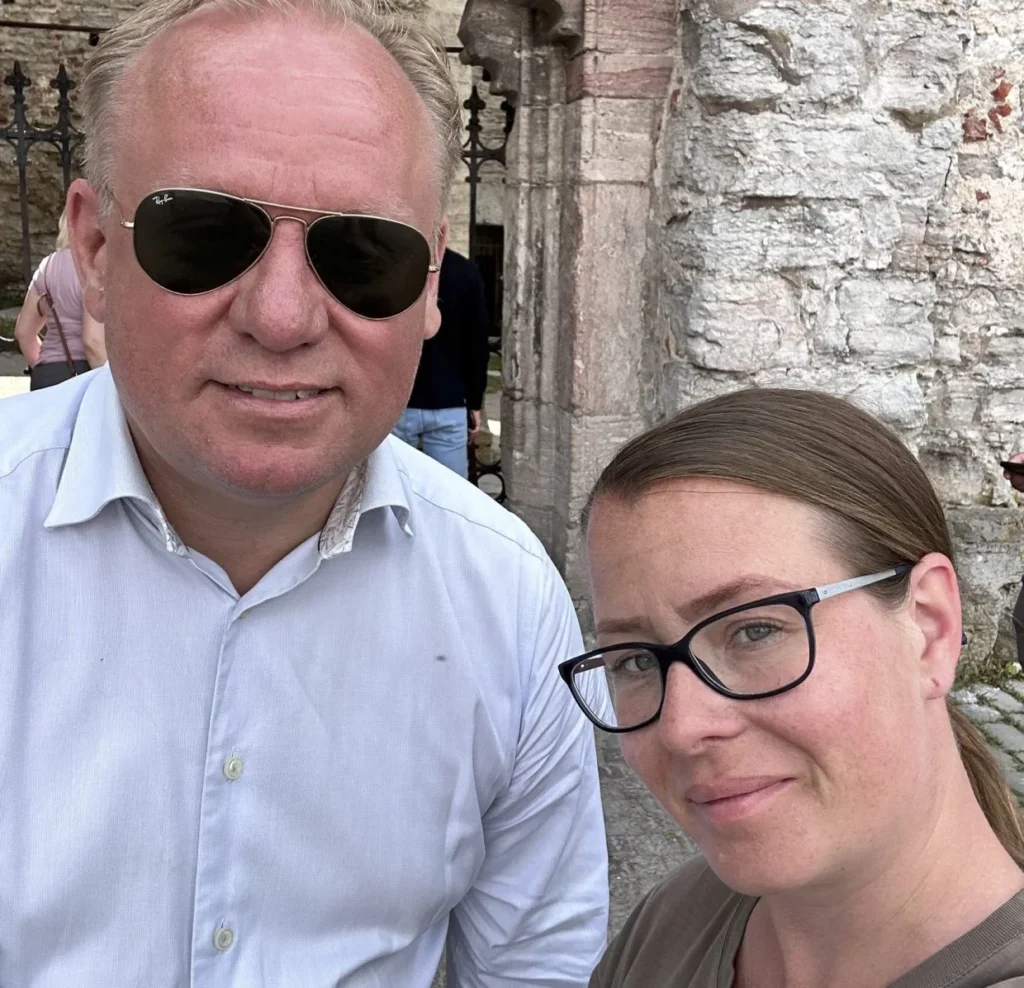
Here are some insights from Mathias Kjellberg based on the lectures he attended.
During the event, we placed a little extra focus on the banking and finance industry, as Sandra Madstedt, who is in charge of our AML service CM1, was there for the first time at Almedalen.
What strikes me is that the debate surrounding AI—which was clearly the hottest topic this year—focused more on the opportunities and risks of the technology and not as much on the fact that the services are provided by American cloud platforms and the privacy challenges that had previously been the dominant concern.
Among other things, I listened to SEBx, which now uses cloud platforms extensively but not yet at the customer level. Personally, I think that’s a sensible approach, but with our large customer base in the civil society sector, I see ongoing privacy challenges, even though they were downplayed somewhat this year. I searched for“GDPR”in the program and actually found only a single seminar that mentioned the topic.
At the Kontantupproret seminar, which several of our customers attended, there was further discussion about using cash as a form of resilience during a crisis and about how electronic services generally work well. One conclusion the panel reached was that this customer group has likely become more open to adopting new technology during the pandemic. There was, of course, a lively discussion about who should pay for cash handling, but unlike in previous years, the privacy aspect of electronic services was not seen as the biggest problem.
I also managed to attend AMF’s seminar on data sharing, where, among others, Malin Alpen from the Swedish Financial Supervisory Authority spoke about the risks and opportunities surrounding the new Open Banking data exchange under PSD3 (be sure to read it if you’re in the financial sector), where competitiveness and the potential for equal access to information between producers and consumers added another perspective beyond the privacy aspect.
I think the Swedish Insurance Federation’s “Fullmaktskollen” is a good example of how to democratize part of that process.
This report is also available, and I recommend that those of you in the banking and finance industry read it.
At EY’s seminar on welfare fraud, opinions have shifted; for example, the City of Helsingborg views RPA as a better guarantee of equal treatment and believes it reduces the risk of individual case workers being targeted. SKR representative Christina Kiernan also cited a number of cases where audit methods have been questioned on privacy grounds, but the underlying sentiment was that it is important to achieve results in pursuing providers who cheat—in part to ensure high quality.
In closing, I was able to participate in an incredibly important seminar organized by ECPAT Sweden. ECPAT Sweden has released a report on the sexual exploitation of children for financial gain. The report is titled “Then ‘she’ took a screenshot, and it all began”—and sheds light on the sexual exploitation of boys for financial gain. Combating the sexual exploitation of children is a cause that’s easy to support, and there’s a lot we can do using existing technology and processes to combat this—though these efforts must, of course, be weighed against privacy concerns. You can download the report from ECPAT’s website.
If you’d like to discuss this further, please don’t hesitate to get in touch.